UNCONSCIOUS INTELLIGENCE – in therapy and everyday life
This course, taught in English, introduces Cybernetic Psychology – theory and methods of psychotherapy.
- Wish to experience more depth and presence in your relationships?
- Develop professional skills in working with other people?
- Move forward in your personal development and discover your own hidden potentials?
Course Content
- Dreams and unconscious intelligence
- Meditation, mindfulness, and presence in relationships
- Conscious and unconscious communication
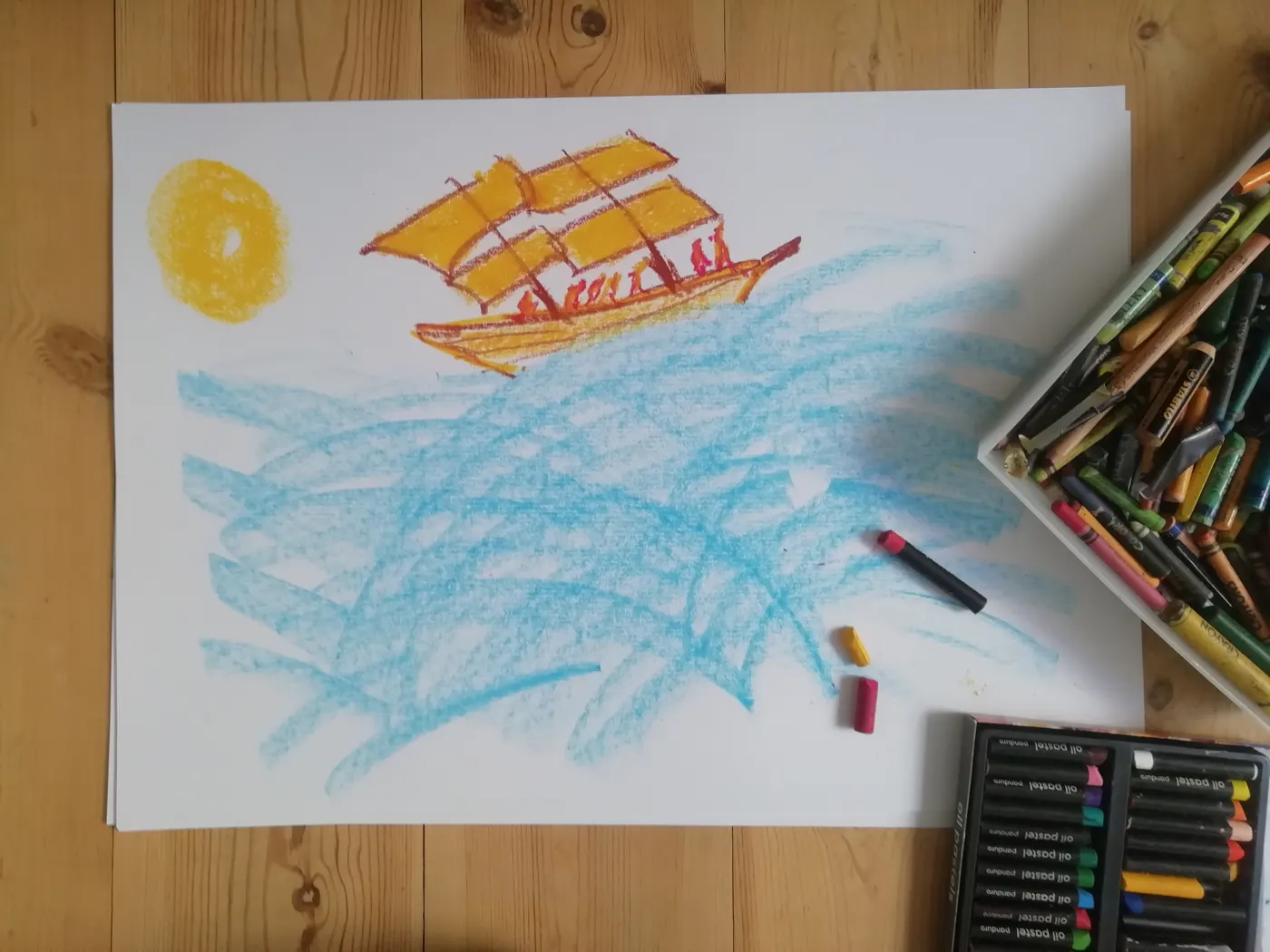
- Drawing therapy
- Dimensions of the body in psychotherapy
The course runs over a weekend 20 hours consists of a combination of theory, personal therapeutic work, and group supervision.
Methods and Approach
The integrative method rests on 30 years of experience with group work and individual therapy, meditation, and self-development. We view humans as complex individuals with unique needs and developmental potentials. Cultivating personality is initiated through a shared process of exploration, and will hereafter remain tools for personal development.
The course is experiential and based on your own personal material, providing practical tools for working with yourself and your relationships in the world on multiple levels. We call it an ‘apprenticeship in being human’.
The theories of Cybernetic Psychology, resting on a basis of systems- and information theory serve as a scientific base for The integrative Project, including key aspects of
- Psychodynamic approaches
- Jungian analytical psychology
- Resource-oriented body psychotherapy
- Gestalt therapy, and psychodrama
- Mindfulness and self-development meditations, inspired in part by Jon Kabat Zinn, Bob Moore and A. H. Almaas.
Methods are well documented and scientifically grounded in the works of Ole Vedfelt, as well as in the works of psychotherapists trained at the Vedfelt Institute, published internationally at highly esteemed publishing houses.*
About the instructors
All instructors are experienced psychotherapists trained within the cybernetic psychological tradition.
Further Opportunities
English-speaking continuation groups will be arranged
English speaking therapists apart from above mentioned are available.
Practical Information
- The course is non-residential
- Two breaks of 15 minutes each (morning and afternoon) with tea/coffee, bread, and fruit
- Lunch break: 1¼ hours
- Lunch self provided
*Preparational reading
Torben Hansen & Henrik Hass (eds.) (2024): Unconscious Intelligence in Cybernetic Psychology – Routledge
Ole Vedfelt (2017): A Guide to the World of Dreams – Routledge
More litterature in English: see here (under English books and papers by Ole Vedfelt)